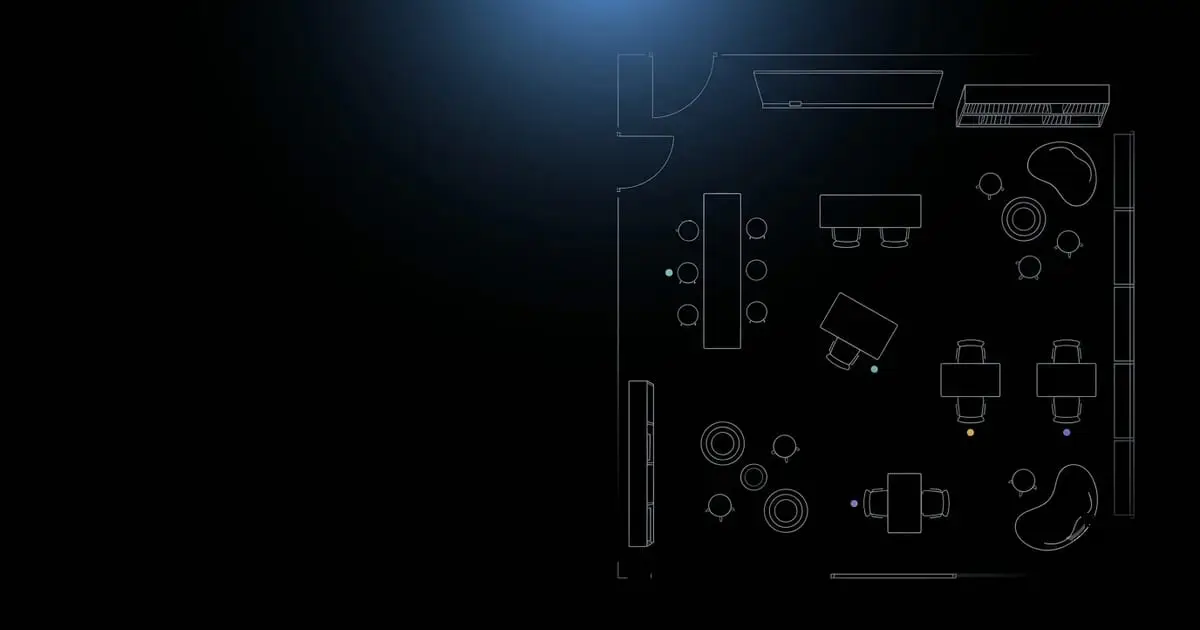
Flexible seating replaces rows of identical desks with a mix of seats: standing tables, low tables with cushions, wobble stools, beanbags, and some ordinary chairs. Students pick the seat that suits the task, or rotate through them. It is popular in elementary and middle school, and it raises a practical question: how do you keep order? Most teachers keep a base seating chart, which you can make in a few minutes in the classroom seating chart generator.
What flexible seating looks like
| Seat type | Good for | Watch out for |
|---|---|---|
| Standing table | Students who fidget, short tasks | Tired legs on long tasks |
| Wobble stool | Movement while seated | Can be noisy on hard floors |
| Floor cushions + low table | Reading, small groups | Back support |
| Beanbag or soft chair | Independent reading | Hard to write on |
| Regular desk and chair | Tests, writing | Least popular choice |
| Clipboard spots | Anywhere work | Needs space |
Why teachers use it
- Movement. Students who need to move can do it without getting up and wandering.
- Choice. Picking a seat gives students a small bit of control over how they work.
- Collaboration. Low tables and clusters make group work easier than rows.
- Comfort. Some students focus better standing or on the floor.
Research on flexible seating is limited and mixed, so treat these as reasons teachers give, not guaranteed results.
The downsides
- Arguments over favorite seats. The beanbag becomes a prize.
- Noise. Wobble stools and moving students add sound.
- Distraction. Some students choose to sit with friends, not where they focus.
- Record keeping. Substitutes, fire drills and attendance need to know where students are.
- Cost. Special seating costs more than standard desks, though many teachers use donations and low-cost options.
How to plan a flexible classroom
- Start with a base seating chart. Every student has a home seat for the start of the day, tests, attendance and substitutes.
- Add flexible zones around it: a standing zone, a floor zone, a quiet corner.
- Teach the rules first. For example: choose a seat where you do your best work, one person per seat, and the teacher can move you.
- Rotate the popular seats. A weekly rotation chart stops the beanbag fights. A random shuffle makes the rotation feel fair.
- Review often. Check which students actually work well in which seats.
In the generator, use Groups of 4 or Groups of 6 for table zones, or Rows for the home seats, and press Shuffle to rotate. Shuffle avoids giving students the same neighbours as last time, and keep-apart rules still apply.
Flexible seating by grade
- Early elementary: floor seating and low tables work well; keep a carpet spot chart.
- Upper elementary: a mix of zones with a weekly rotation.
- Middle school: standing tables and stools; home seats matter more for classroom management.
- High school: usually limited to a few options because of class size and room changes.
Preferential seating still applies
Students with seating accommodations in an IEP or 504 plan keep them in a flexible room. Give them their spot first, then lock it in the seating tool so shuffles never move it.
Sample flexible seating rules
Teachers who make flexible seating work usually post a short set of rules. An example:
- Choose a seat where you do your best work, not next to your best friend.
- One person per seat.
- Use the seat the way it is meant to be used.
- If you are not working, the teacher chooses your seat.
- Leave your seat clean and ready for the next person.
Teach the rules in the first week and practice them, the same way you would teach any routine.
Budget options
Flexible seating does not have to be expensive:
- Lower a table by adjusting its legs for floor seating with cushions.
- Raise a table with bed risers to make a standing table.
- Use crates with cushions on top as stools and storage.
- Yoga balls or wobble cushions on regular chairs.
- Clipboards turn any spot into a workspace.
- Ask families for donated cushions, rugs or beanbags.
Tracking who sits where
Flexible rooms make record keeping harder. A few habits help:
- Home seats for the start of class and for tests, from a base seating chart.
- A rotation chart for the most popular seats, updated weekly.
- Printed charts for substitutes and emergency drills.
- Quick notes when a seat choice clearly helps or hurts a student’s work.
The seating generator handles the base chart and rotations: rows or groups for home seats, Shuffle for the weekly rotation, and keep-apart rules for students who should not sit together.
Introducing flexible seating gradually
Switching a whole room at once can overwhelm a class. A slower rollout works better:
- Week 1: normal desks with a seating chart. Teach routines.
- Week 2: add one flexible zone, such as a standing table, for independent work.
- Week 3: add a floor or soft seating zone for reading.
- Week 4: start a rotation so every student tries each zone.
- After a month: review with students which seats help them, and adjust.
Students who struggle with choice can keep an assigned seat while others choose. That is a normal part of flexible seating, not a punishment.
Talking to families and administrators
Families sometimes worry that flexible seating means less structure. Explain the rules, the base seating chart and how you track where students sit. Administrators often want to see that safety exits stay clear and that students with accommodations still have their assigned support.
For traditional and group layouts with exact desk counts, see classroom seating arrangements for 30 students. Music rooms have their own setups: see middle school band seating and orchestra seating charts.